Indian Home Remedies for Skin: What Works, What Doesn’t, and What’s Harmful

Indian grandmothers swear by besan, haldi, and nimbu for skin. Social media is full of DIY face packs and kitchen remedies that promise glass skin. Some of these traditions have genuine value. Many others are harmless at best and genuinely damaging at worst. Here’s an honest, evidence-based look at the most popular Indian home remedies for skin.
Home Remedies That Actually Work
✅ Aloe vera (fresh): Genuine anti-inflammatory and soothing properties. Good for minor sunburn, irritation, and temporary hydration. Won’t fade dark spots or treat acne but is genuinely calming and safe.
✅ Multani mitti (Fuller’s Earth): Absorbs oil effectively. A reasonable occasional clay mask for oily skin — use weekly, not daily, as it can over-dry. Rinse off promptly.
✅ Rose water: Gentle, mildly anti-inflammatory toner. Works as a light hydrating mist. Safe for most skin types and provides temporary comfort.
Home Remedies That Don’t Work (But Are Harmless)
Besan + dahi (gram flour + yoghurt): The lactic acid in yoghurt has some gentle exfoliating effect but concentrations are too low to make meaningful impact. The besan provides mild physical exfoliation. Not harmful, but effects are minimal compared to proper actives.
Potato juice for dark spots: Contains catecholase enzyme with mild tyrosinase inhibition. Very weak compared to Niacinamide or Alpha Arbutin — not worth relying on for visible results.
Home Remedies That Are Actively Harmful
❌ Lemon juice directly on skin: pH of 2–3 — far too acidic for skin (optimal pH 4.5–5.5). Causes chemical burns, phototoxic reactions when exposed to sun, and significant post-inflammatory hyperpigmentation on Indian skin. Extremely common and extremely damaging.
❌ Toothpaste on pimples: Contains ingredients (fluoride, SLS, menthol) that irritate and dry skin, causing more inflammation. Doesn’t treat acne bacteria. Causes post-inflammatory pigmentation on Indian skin.
❌ Turmeric in high amounts directly on face: Can stain skin yellow and cause allergic contact dermatitis in some people. Curcumin has anti-inflammatory properties but unstable and poorly absorbed topically at home-use concentrations.
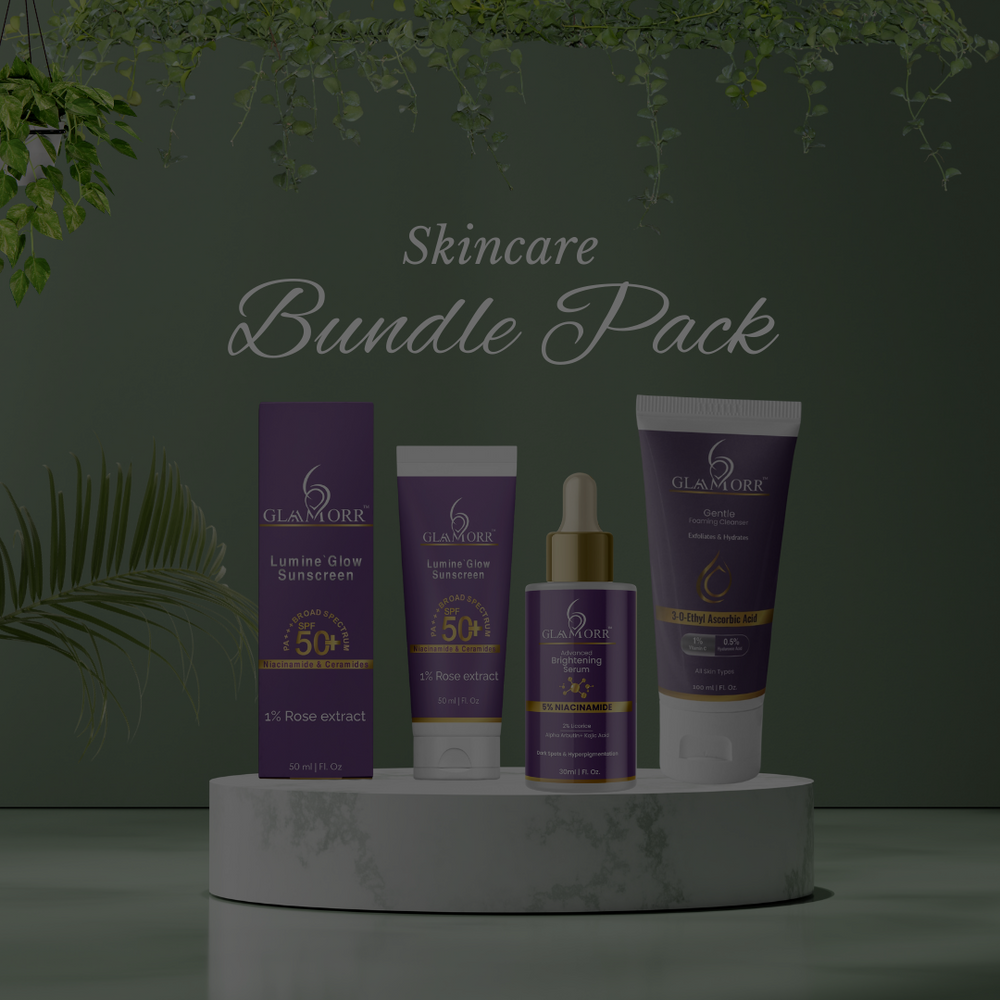
Skip the kitchen experiments. Glaamorr’s clinically formulated actives deliver results that home remedies simply can’t match — at accessible Indian prices.
Shop at glaamorr.com — Use GLAMM10 for 10% off