The Complete Guide to Exfoliation for Indian Skin: What Works and What Damages

Exfoliation is one of the most misunderstood steps in skincare. Done right, it removes dead skin cells that dull your complexion, unclogs pores, and allows serums and moisturisers to absorb better. Done wrong, it damages your skin barrier, causes inflammation, and worsens every concern you were trying to address. Here’s the complete guide for Indian skin.
Physical vs Chemical Exfoliation
Physical exfoliation uses friction — scrubs, brushes, cloths — to manually remove dead skin. The problem: scrubs create uneven pressure, cause micro-tears in skin, spread bacteria, and are particularly damaging for Indian skin which is more prone to post-inflammatory pigmentation from any kind of trauma.
Chemical exfoliation uses acids to dissolve the bonds holding dead skin cells together, allowing them to shed evenly. More controlled, more effective, and much gentler than physical exfoliation when used correctly.
Types of Chemical Exfoliants
AHAs (Alpha Hydroxy Acids): Water-soluble, work on skin surface. Best for dullness, uneven texture, and dry skin. Lactic acid is gentler, glycolic acid is more potent. Use 1–2x weekly.
BHAs (Beta Hydroxy Acids): Oil-soluble, penetrate pores. Best for oily, acne-prone skin with blackheads. Salicylic acid is the main BHA. Use 1–2x weekly.
PHAs (Polyhydroxy Acids): Gentlest option. Work like AHAs but with larger molecular size, so they don’t penetrate as deeply. Ideal for sensitive Indian skin.
How Often Should Indians Exfoliate?
Less than you think. 1–2 times per week is optimal for most Indian skin types. In summer and monsoon, stick to once weekly. Daily exfoliation — a common mistake — destroys the skin barrier and causes more problems than it solves. If your skin is red, dry, or sensitive after exfoliating, you’re doing too much.
The Non-Negotiable After Exfoliation
SPF 50 the morning after any exfoliation. Chemical exfoliants remove the outermost protective layer of skin, making it significantly more UV-sensitive. Exfoliating at night and applying SPF the next morning is essential — skipping it causes more pigmentation than exfoliation removes.

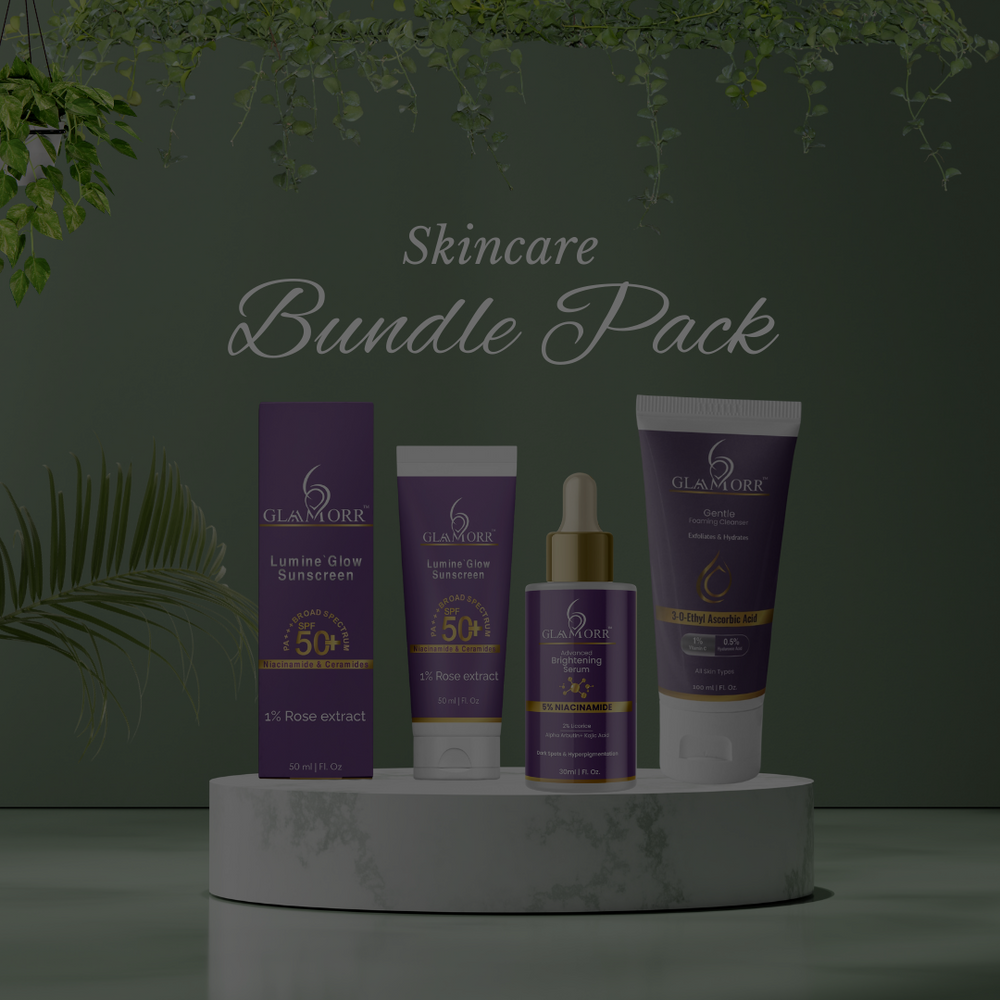
Glaamorr Lumine Glow Sunscreen SPF 50 PA+++
Essential the morning after exfoliation • Lightweight • Zero white cast • Non-greasy
Shop Now — Use GLAMM10 for 10% off